Why most Автомобильная химчистка projects fail (and how yours won't)
The $8,000 Mistake Nobody Talks About
Last month, I watched a friend shut down his auto detailing business after just seven months. He'd invested nearly $8,000 in equipment, rented a bay, and lined up what he thought were solid clients. The shop sat empty most days. His story isn't unique—roughly 60% of car detailing startups fold within their first year.
The brutal truth? Most automotive cleaning businesses fail before they even get started. Not because the market isn't there—Americans spent over $12 billion on car care in 2023. They fail because owners make the same preventable mistakes over and over again.
Where It All Goes Wrong
The typical failure pattern looks something like this: Someone buys a pressure washer, some soap, and maybe a decent vacuum. They print business cards. They post on Facebook. Then... crickets.
The Equipment Trap
Here's mistake number one: dropping $5,000+ on commercial-grade equipment before landing a single paying customer. I've seen garages filled with unused extractors, ozone generators, and steam cleaners gathering dust. One operator told me he spent $12,000 on gear but only made $3,400 in his first six months. The math doesn't work.
The equipment obsession stems from a false belief that better tools automatically equal better results. They don't. A skilled detailer with a $300 extractor will outperform a novice with a $3,000 machine every single time.
The Pricing Death Spiral
Desperate for customers, new operators slash prices. Full interior details for $89. Complete paint corrections for $199. These aren't competitive rates—they're business suicide.
When you factor in products (around $15-25 per detail), equipment depreciation, water, electricity, and your time, you need to charge at least $150 for a basic interior detail just to break even. Anything less and you're paying customers to let you work on their cars.
The "Build It and They'll Come" Fantasy
Nobody is searching for "new car detailer near me." They're looking for someone proven, reviewed, and trusted. Starting without any customer base or marketing strategy is like opening a restaurant on a deserted island.
Red Flags You're Heading for Trouble
You're in danger if you:
- Haven't detailed at least 20 cars before going pro (practice doesn't count if it's only on your own vehicle)
- Can't explain your pricing structure without hesitation
- Have zero online reviews after your first month
- Spend more time shopping for equipment than talking to potential customers
- Don't have at least three months of operating expenses saved
The Survival Blueprint
Start Small, Start Smart
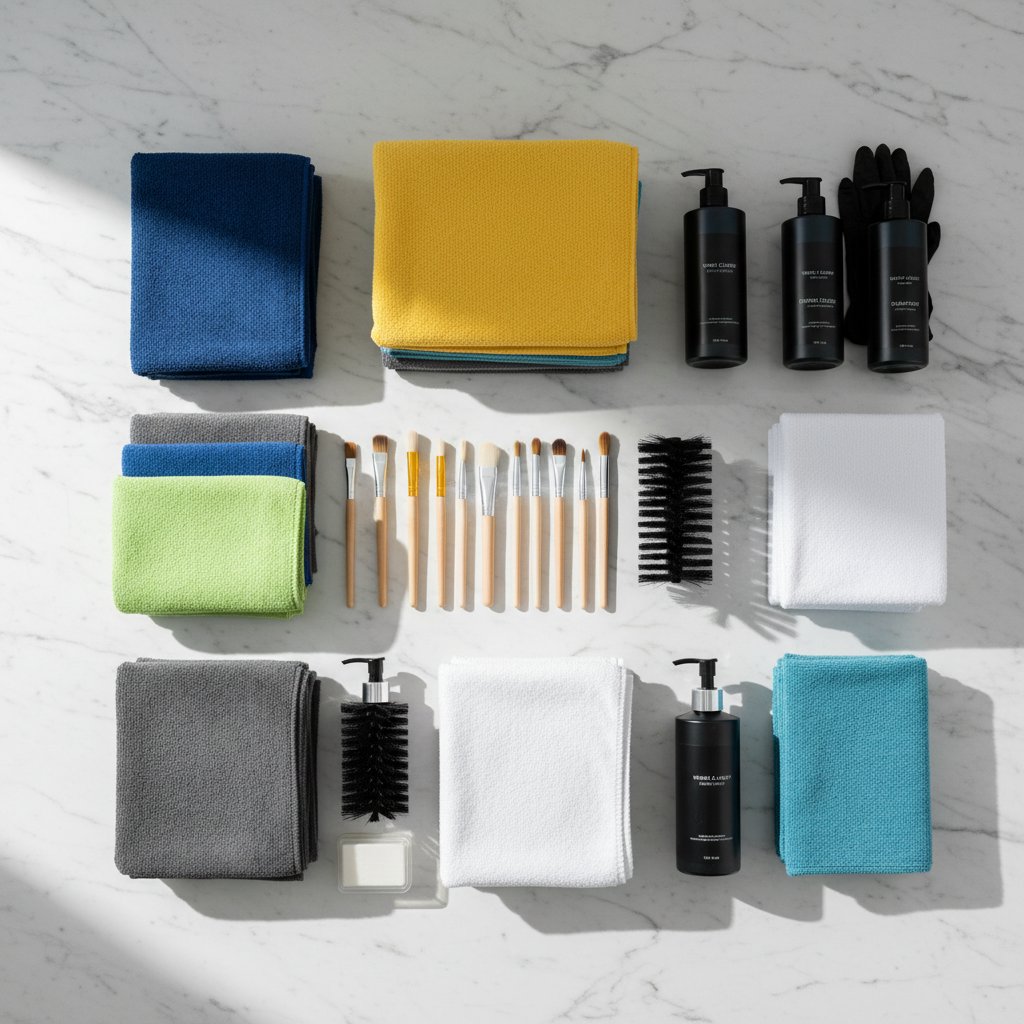
Forget the commercial space for now. Begin mobile. Your startup costs drop from $10,000+ to under $1,500. You need: a reliable extractor ($300-500), quality microfiber towels ($100), a decent vacuum ($200), basic chemicals ($300), and a water tank setup ($400).
Detail 50 cars before you invest in anything else. Not 10. Not 25. Fifty. This gives you real-world speed, exposes you to different vehicle conditions, and builds your skills where it matters—on actual customer cars.
Price for Profit From Day One
Track every expense for your first 10 details. Write it down: product costs, drive time, actual work hours, everything. Most operators discover they're spending 3-4 hours per vehicle when they thought it would take 90 minutes.
Set your baseline: interior detail $175, exterior $125, full service $275. Yes, someone charges less. They're probably broke. Your pricing should reflect your costs plus 40% minimum. Adjust based on your market, but never go below your break-even.
Build Trust Before Scale
Your first 20 customers are your foundation. Offer them a "founding customer" rate—15% off in exchange for a detailed review and before/after photos. Make these details perfect. Spend extra time. These reviews are worth more than any equipment upgrade.
Document everything. Take 10-15 photos per car. Post them everywhere—Google Business, Facebook, Instagram. One detailer I know landed a $500 correction job because a potential customer saw his photo documentation of a similar vehicle.
Master One Service First
Don't offer paint correction, ceramic coating, and interior restoration all at once. Pick one core service and become known for it. Interior transformations or exterior wash packages—choose your lane and dominate it for six months before expanding.
Keeping the Wheels On
Set a weekly customer target: five details minimum. Below that, you're not covering costs. Above ten, you risk burnout and quality drops.
Reserve 10% of revenue for equipment replacement and upgrades. Your extractor will die. Towels wear out. Budget for it.
Most importantly: talk to your customers. Ask what they struggled to find, what they'd pay extra for, what frustrated them about previous detailers. The best business insights don't come from YouTube tutorials—they come from the people actually handing you money.
Your auto detailing business won't fail because the market is saturated or because you lack talent. It'll fail if you ignore the fundamentals: reasonable startup costs, profitable pricing, proven skills, and customer trust. Get those right, and you're already ahead of 60% of the competition.