Автомобильная химчистка in 2024: what's changed and what works
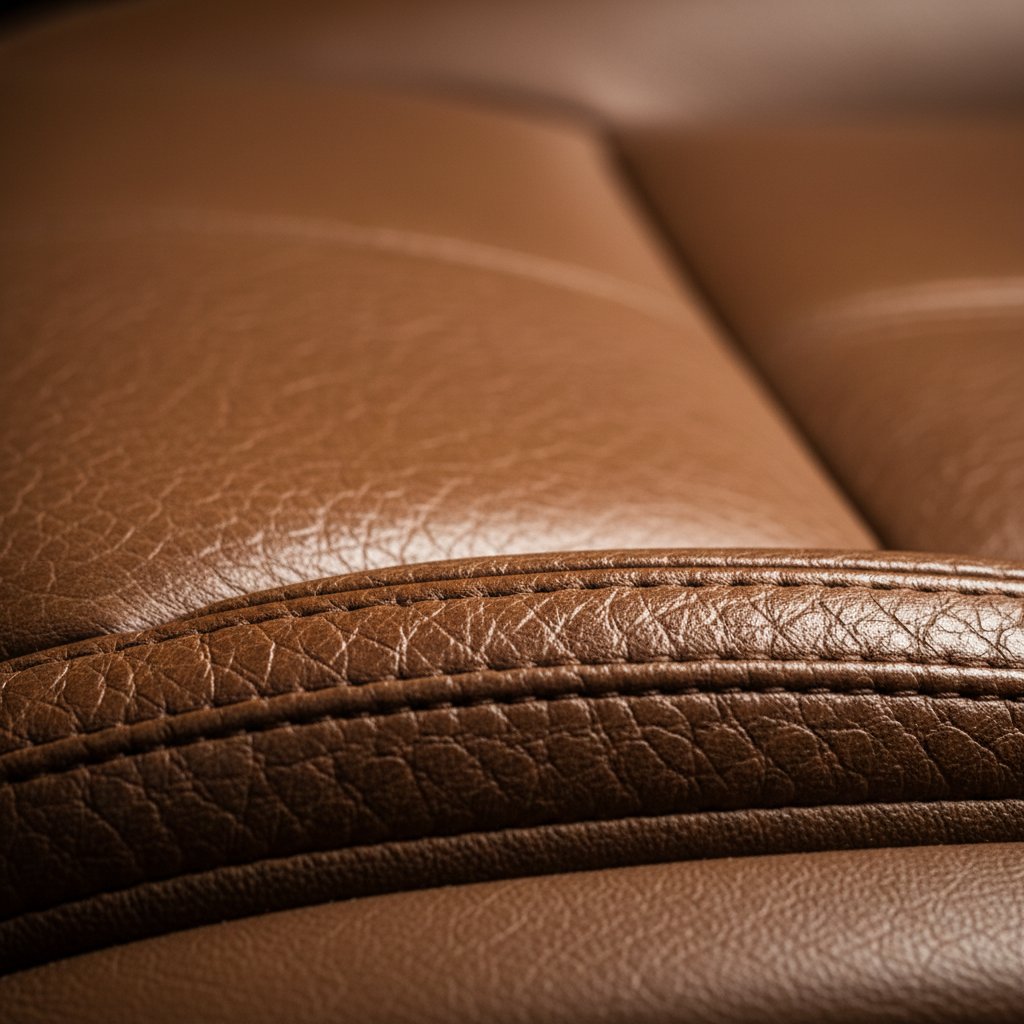
Car detailing has undergone a quiet revolution. What used to be a weekend ritual with a bucket and sponge has morphed into a science-backed process that can extend your vehicle's life by years. The professional auto interior cleaning scene in 2024 looks nothing like it did even three years ago, and if you're still thinking about this service the old way, you're missing out on some genuinely game-changing developments.
Let's break down what actually matters now and what you can safely ignore.
1. Steam Technology Has Finally Hit Its Stride
Steam cleaning used to be that thing detailers mentioned but rarely delivered on properly. Not anymore. The equipment has caught up with the promise, and we're seeing dry vapor systems that hit 320°F while using about 95% less water than traditional methods. This matters because you're not soaking your car's electronics or creating mold-friendly damp spots that'll haunt you for months.
The real kicker? Steam obliterates bacteria without chemicals. We're talking about a 99.9% reduction in harmful microorganisms, which is especially clutch if you've got kids, pets, or that one friend who always eats messy tacos in your backseat. Shops equipped with proper steam units charge about $40-60 more than standard cleaning, but the results last roughly twice as long.
Watch out for places advertising "steam cleaning" but actually using glorified hot water extractors. Real dry vapor systems produce steam at less than 5% moisture content. Ask to see the equipment specs before booking.
2. Ozone Treatment Isn't Snake Oil Anymore
Remember when ozone generators were sold by that sketchy guy at the flea market? Professional detailers have legitimized this technology with proper protocols and realistic expectations. A 30-60 minute ozone treatment can eliminate smoke smell, pet odors, and that mysterious funk that appears after your car sits closed up for a week.
Here's what changed: professionals now understand the sweet spot. Too little ozone does nothing. Too much damages rubber seals and plastics. The current standard sits around 5,000-10,000 mg/hr for a typical sedan, run for exactly 45 minutes, followed by a 20-minute ventilation period. This costs between $75-150 as an add-on service.
One warning though—ozone doesn't clean surfaces. It neutralizes odor molecules in the air and porous materials. You still need actual cleaning first, or you're just deodorizing dirt.
3. Ceramic Coatings Have Trickled Down to Interiors
Ceramic protection used to be exclusively for paint jobs. Now we're seeing SiO2-based coatings designed specifically for leather, vinyl, and plastic interior surfaces. These create a molecular bond that repels liquids, resists UV damage, and makes future cleaning absurdly easy.
The difference is tangible. A ceramic-coated dashboard shrugs off dust for weeks instead of days. Leather seats treated with these coatings resist staining from jeans dye and skin oils. Expect to pay $200-400 for full interior ceramic treatment, with protection lasting 2-3 years under normal conditions.
Not every surface should get this treatment, though. Steering wheels need friction, and some matte finishes can turn glossy. A knowledgeable detailer knows which products work where—ask them to walk you through their process before they start spraying.
4. Extraction Equipment Now Pulls What Vacuums Miss
Hot water extraction machines have gotten scary good. We're talking about units that inject heated cleaning solution at 100+ PSI, then extract it along with embedded dirt from carpet fibers. The difference between a quality vacuum job and proper extraction is night and day.
Modern extractors recover about 95% of the water they inject, meaning your carpets dry in 2-4 hours instead of overnight. They're pulling out ground-in salt from winter roads, sand from beach trips, and mystery crumbs from three years ago. Shops running industrial-grade extractors typically charge $150-250 for a complete interior job.
The technology also works wonders on fabric seats and headliners. If your car is more than five years old and has never had extraction cleaning, you'll be genuinely shocked at the before-and-after difference.
5. Mobile Services Have Professionalized
Mobile detailing used to mean "guy with a van and some spray bottles." The 2024 version involves fully equipped trailers with water tanks, generators, and professional-grade equipment that rivals brick-and-mortar shops. These operations can deliver the same quality results in your driveway or office parking lot.
The convenience premium has shrunk too. Where mobile services once charged 40-50% more than shop visits, competitive pressure has brought that down to about 15-20% extra. For $180-220, you can get a thorough interior deep clean without blocking out half your Saturday.
Quality varies wildly in this space, though. Check if they're carrying their own water supply (minimum 40 gallons for a proper job) and generating their own power. Anyone asking to use your garden hose and garage outlet isn't equipped for professional work.
6. Subscription Models Actually Make Financial Sense Now
Monthly detailing subscriptions have evolved beyond simple wash packages. Several regional chains now offer tiered plans where you get quarterly deep cleans plus unlimited basic maintenance visits. The math works out to roughly 30% savings compared to paying à la carte.
A typical plan runs $89-149 monthly and includes one full interior detail per quarter, plus weekly or bi-weekly exterior washes and vacuum jobs. For people who rack up serious miles or have kids destroying their interiors regularly, this beats the old model of ignoring the mess until it becomes unbearable, then paying $300 for emergency intervention.
The catch? These only make sense if you actually use them. Run the numbers based on your real habits, not your aspirational ones.
Auto interior care has shifted from "clean enough" to "scientifically optimized." The best part? Most of these improvements don't cost significantly more than old-school methods—they just work better and last longer. Your car spends more time looking and smelling like you actually care about it, which turns out to be worth something after all.